Tartan Plaid Pattern Fabrics: A Versatile Design for Creative Projects
Tartan plaid pattern fabrics have long been associated with Scottish heritage, but their appeal extends far beyond traditional use. These fabrics feature a distinctive grid of colored lines and squares, often in bold combinations that make them visually striking. Today, tartan plaid patterns are widely used in fashion, home decor, and various creative projects. Whether you're looking to add a classic touch to your designs or explore new artistic possibilities, understanding the characteristics and applications of tartan plaid pattern fabrics can help you make informed decisions.
What Are Tartan Plaid Pattern Fabrics?
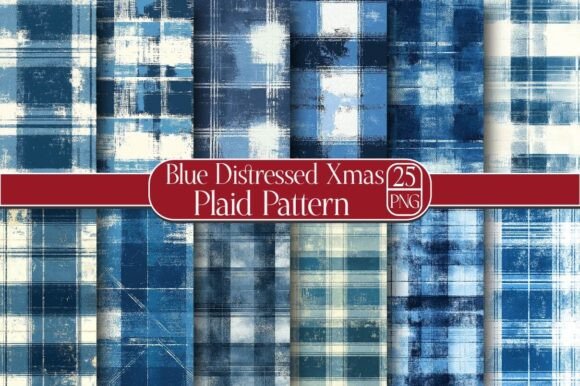
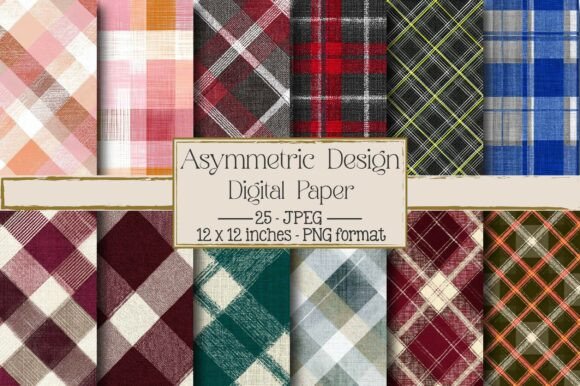
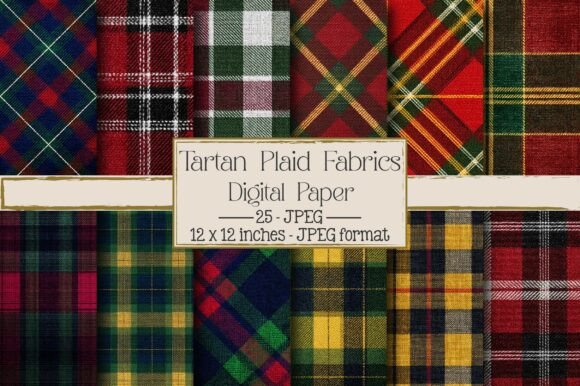
Tartan plaid pattern fabrics are textiles that display a repeating pattern of horizontal and vertical stripes, typically in two or more colors. The design is often symmetrical and can vary in complexity depending on the specific tartan. Each color and arrangement has historical significance, especially in Scottish clan tartans. However, modern interpretations of tartan plaid patterns are more flexible and can be adapted to suit a wide range of aesthetic preferences.
The versatility of these fabrics makes them suitable for both functional and decorative uses. They can be found in clothing, accessories, home furnishings, and even digital art. With the rise of digital design tools, tartan plaid patterns are now easily customizable and available in high-resolution formats for various applications.
Why Someone Might Be Interested in Tartan Plaid Pattern Fabrics
Individuals interested in tartan plaid pattern fabrics may come from diverse backgrounds, including artists, designers, crafters, and entrepreneurs. For those involved in creative industries, these patterns offer a unique way to express style and identity. The bold and recognizable design can add visual interest to products such as t-shirts, stickers, and wall art.
Additionally, people who appreciate cultural or historical elements may find tartan plaid patterns appealing. The connection to Scottish tradition adds a layer of meaning that can enhance the value of a project or product. This makes tartan plaid patterns particularly attractive for those looking to incorporate storytelling into their work.
Benefits of Using Tartan Plaid Pattern Fabrics
One of the main advantages of tartan plaid pattern fabrics is their adaptability. They can be printed on a variety of materials and surfaces, making them ideal for different types of projects. Whether you're creating custom t-shirts, designing stickers, or decorating a scrapbook, the pattern's structure ensures it remains visible and impactful.
Another benefit is the availability of high-quality digital files. Many designers offer tartan plaid pattern fabrics in JPEG format with a resolution of 300 dpi, ensuring clarity when printed. These files often come with a transparent background, allowing for easy integration into different design projects. The ability to resize the images using various software also makes them accessible to users with different technical skills.
Considerations and Tradeoffs
While tartan plaid pattern fabrics offer many benefits, there are some factors to consider before incorporating them into your work. One potential limitation is the risk of overuse. Because the pattern is so distinctive, it may not be suitable for all design contexts. In some cases, it could overwhelm other elements of a composition or clash with the intended aesthetic.
Another consideration is the variability of colors. Since the final appearance can depend on the device or printer used, it's important to test prints before mass production. This is especially relevant for those planning to use the fabric in commercial settings where consistency is key.
Situations Where Tartan Plaid Pattern Fabrics Excel
Tartan plaid pattern fabrics are particularly well-suited for projects that require a strong visual statement. They work well in environments where bold, eye-catching designs are desired, such as promotional materials, event decorations, or themed merchandise. Their structured layout also makes them ideal for use in digital artwork, where clarity and definition are essential.
For individuals working with limited resources, the availability of digital files offers a cost-effective solution. Instead of purchasing physical fabric, users can download and print the pattern as needed. This flexibility is especially beneficial for small-scale creators or those experimenting with new ideas.
When Alternatives May Be More Appropriate
There are situations where alternative patterns might be more suitable. For instance, if the goal is to create a subtle or minimalist design, a tartan plaid pattern could be too overwhelming. In such cases, simpler geometric or abstract patterns may provide a better balance.
Additionally, for projects requiring a more natural or organic look, other textile patterns—such as floral, paisley, or solid colors—might be more appropriate. It's important to evaluate the overall vision of the project and choose a pattern that complements the intended outcome.
Practical Insights for Decision-Making
When deciding whether to use tartan plaid pattern fabrics, consider the purpose of the project, the target audience, and the desired aesthetic. Ask yourself whether the pattern aligns with the message or theme you want to convey. If the answer is yes, then proceed with confidence, knowing that the design has both historical and practical value.
For those new to working with digital patterns, start with small-scale projects to familiarize yourself with the process. Experimenting with different software and printing methods can help you achieve the best results. Additionally, always review the specifications provided by the designer to ensure compatibility with your needs.