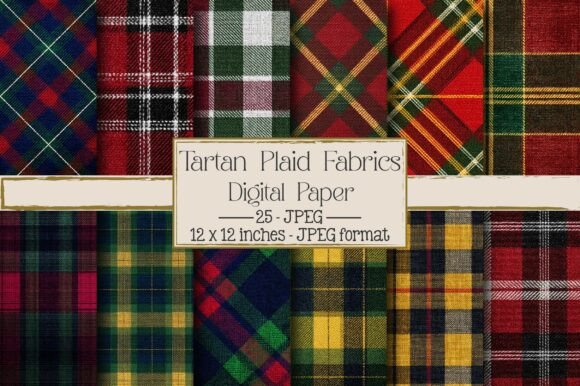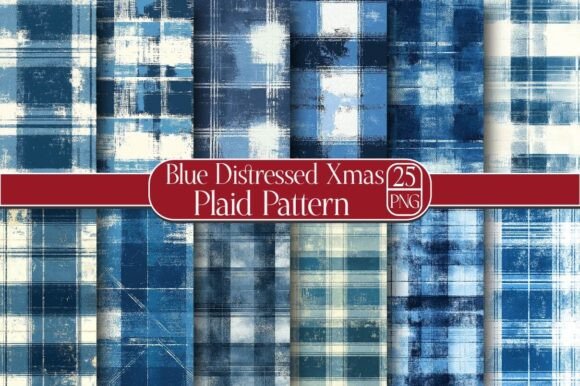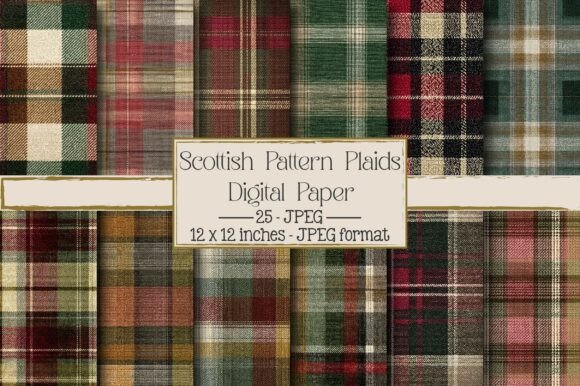
Plaid Asymmetric Design Pattern: A Versatile Creative Asset
The Plaid Asymmetric Design Pattern offers a unique blend of traditional and modern aesthetics, making it a valuable resource for creators and designers. This design style combines the structured elements of plaid with an intentional imbalance that adds visual interest and dynamic energy. Its appeal lies in its ability to balance familiarity with innovation, offering a fresh approach to pattern design that can be adapted across various mediums.
Understanding the Plaid Asymmetric Design Pattern
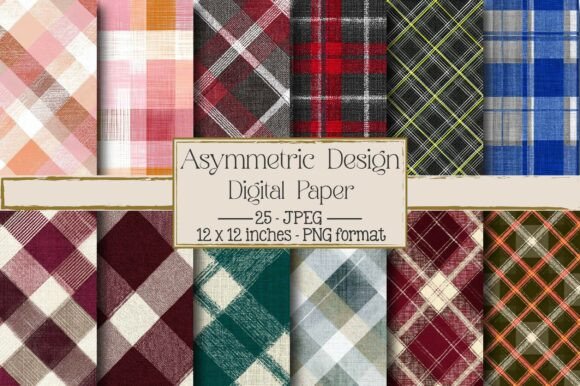
The Plaid Asymmetric Design Pattern is characterized by its use of repeating plaid motifs that are not uniformly arranged. Unlike conventional plaid patterns, which follow a symmetrical grid, this design introduces irregularities in the placement of lines, shapes, or color blocks. These asymmetries create a sense of movement and depth, allowing the pattern to stand out in both digital and physical applications.
This design approach is particularly effective when used in contexts where visual engagement is key. The asymmetry prevents the pattern from appearing static, making it ideal for projects that require a bold yet cohesive look. Whether applied to fabric, digital graphics, or printed materials, the Plaid Asymmetric Design Pattern provides a distinctive visual language that can elevate the overall aesthetic of a project.
Key Characteristics and Practical Value
One of the defining features of the Plaid Asymmetric Design Pattern is its flexibility. The design allows for variations in scale, orientation, and color, making it adaptable to different creative needs. This adaptability is especially beneficial for designers who work on multiple projects with varying requirements.
The pattern also emphasizes contrast and texture. By incorporating elements such as solid colors, distressed effects, and transparent backgrounds, the design becomes more visually engaging. These characteristics make it suitable for a wide range of applications, including but not limited to t-shirts, stickers, cards, and wall art.
Another practical advantage of the Plaid Asymmetric Design Pattern is its compatibility with different software tools. The provided JPEG files are high-resolution (300 dpi) and 12x12 inches in size, ensuring clarity and quality when resized. This makes it easy for users to integrate the pattern into their workflow, regardless of the platform or application they use.
Real-World Applications and Effectiveness
The Plaid Asymmetric Design Pattern has proven to be effective in a variety of real-world scenarios. For instance, in the realm of print-on-demand products, the pattern’s visual complexity helps differentiate items from competitors. Its asymmetry ensures that each piece retains a unique identity while still fitting within a broader design theme.
In the context of branding and marketing, the pattern can be used to create eye-catching visuals that resonate with target audiences. Its ability to convey both tradition and modernity makes it a strong choice for brands looking to communicate a specific image or message. Whether used in social media posts, promotional materials, or packaging, the design adds a layer of sophistication and creativity.
For artists and hobbyists, the Plaid Asymmetric Design Pattern offers a foundation for experimentation. The inclusion of distressed effects and solid color elements allows for customization, enabling users to tailor the pattern to their specific vision. This level of control is particularly appealing to those who want to maintain creative ownership over their work.
Quality, Usability, and Long-Term Value
The quality of the Plaid Asymmetric Design Pattern is evident in its high-resolution format and transparent background. These technical specifications ensure that the pattern remains sharp and clear, even when scaled up or down. This reliability is crucial for professionals who need consistent results across different projects and platforms.
Usability is another strength of this design. The ease of resizing and integrating the pattern into various software tools reduces the learning curve for users. This accessibility makes it a practical choice for both beginners and experienced designers who want to streamline their workflow.
From a long-term perspective, the Plaid Asymmetric Design Pattern offers value through its versatility and timeless appeal. While trends may shift, the combination of plaid and asymmetry ensures that the design remains relevant. This longevity makes it a worthwhile investment for creators who seek durable and reusable assets.
Who Benefits Most from the Plaid Asymmetric Design Pattern?
The Plaid Asymmetric Design Pattern is particularly beneficial for small business owners, independent creators, and digital artists who rely on high-quality design assets. Its adaptability makes it suitable for a wide range of industries, including fashion, home decor, and graphic design.
Entrepreneurs and marketers can leverage the pattern to enhance their brand identity and create visually compelling content. Its ability to stand out in a crowded market makes it an effective tool for differentiation and audience engagement.
For educators and students, the pattern serves as a valuable resource for exploring design principles and techniques. It provides a tangible example of how asymmetry and traditional patterns can be combined to achieve a desired effect. This makes it a useful teaching aid in design courses and workshops.
Considerations and Limitations
While the Plaid Asymmetric Design Pattern offers numerous advantages, it is important to consider its limitations. The asymmetry may not be suitable for all design contexts, particularly those that require a more uniform or minimalist approach. Users should evaluate whether the pattern aligns with their specific goals and audience preferences.
Additionally, the effectiveness of the pattern may vary depending on the medium and application. For example, when used in print, the distressed effects and color variations may appear differently based on the printer and paper type. It is advisable to test the pattern in different settings before finalizing a project.
Finally, the digital nature of the download means that users must have the necessary software and technical skills to work with the files. While the pattern is easy to resize, some users may need to invest time in learning how to manipulate the files effectively.
Final Thoughts on the Plaid Asymmetric Design Pattern
The Plaid Asymmetric Design Pattern represents a thoughtful fusion of traditional and contemporary design elements. Its unique structure, combined with high-quality production, makes it a valuable asset for a wide range of creative professionals. Whether used for commercial projects, personal hobbies, or educational purposes, the pattern offers a versatile and visually striking solution.
By understanding its strengths, limitations, and potential applications, users can determine whether the Plaid Asymmetric Design Pattern fits their specific needs. With careful consideration and creative exploration, this design can become a powerful tool in any designer’s toolkit.