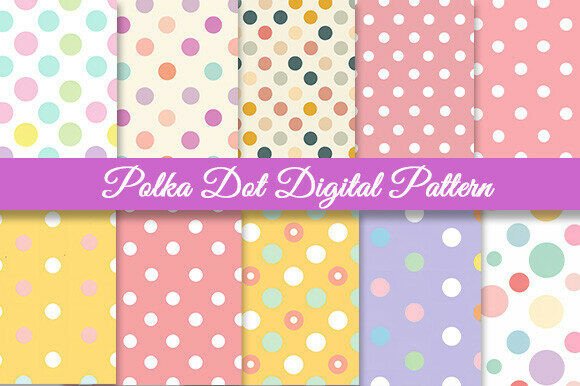
Polka Dot Digital Pattern: A Versatile Tool for Modern Design Workflows
The Polka Dot Digital Pattern is a timeless design element that continues to resonate across various creative and professional fields. Its simplicity, combined with its visual appeal, makes it a go-to choice for designers, marketers, educators, and hobbyists alike. Whether you're working on textiles, digital projects, or print materials, this pattern offers a seamless way to add a touch of retro charm while maintaining a clean and modern aesthetic.
Understanding the Polka Dot Digital Pattern
A Polka Dot Digital Pattern typically features evenly spaced, circular dots on a uniform background. The dots can vary in size, color, and spacing, allowing for customization based on specific project needs. This adaptability ensures that the pattern remains relevant across different industries and applications.
Unlike traditional printed patterns, a digital version of this design allows for easy integration into software like Adobe Illustrator, Photoshop, or Canva. This makes it an essential asset for anyone involved in graphic design, web development, or content creation. The pattern’s compatibility with multiple file formats—such as PNG, JPEG, and SVG—further enhances its usability in both digital and physical workflows.
Integrating Polka Dot Digital Pattern into Your Workflow
One of the key advantages of the Polka Dot Digital Pattern is its ability to fit into various stages of a project. From initial planning to final execution, this design element can be used strategically to enhance visual storytelling, branding, and user experience.
Before starting a project, consider how the pattern can set the tone. For instance, if you're designing a website or app interface, incorporating a subtle polka dot background can create a playful yet professional atmosphere. It can also help in defining sections or highlighting key areas without overwhelming the user.
During the creative process, the pattern can serve as a base layer or texture. In digital art, it can act as a background for illustrations, adding depth and interest. In textile design, it can be used as a repeat pattern for fabric prints, offering a consistent and cohesive look across different products.
After the project is complete, the Polka Dot Digital Pattern can still play a role in quality control and consistency checks. Ensuring that the pattern aligns with brand guidelines or project specifications helps maintain a polished and professional appearance across all deliverables.
Use Cases Across Different Industries
The versatility of the Polka Dot Digital Pattern makes it valuable in a wide range of industries. For example, in the fashion sector, it can be used for creating seasonal collections or limited-edition pieces. In the realm of home décor, it can be applied to wallpapers, cushions, and curtains to add a nostalgic yet contemporary feel to any space.
For educators and content creators, the pattern can be a useful tool in developing engaging presentations or educational materials. Its visual appeal can help capture attention and make complex information more digestible. When used in scrapbooking or DIY crafts, it adds a personal and artistic touch to handmade projects.
In marketing and advertising, the pattern can be employed to create eye-catching banners, social media graphics, or promotional materials. Its ability to evoke nostalgia while remaining modern makes it an effective choice for campaigns targeting a broad audience.
Practical Implementation Tips
To get the most out of the Polka Dot Digital Pattern, start by understanding your project’s requirements. Consider factors such as color schemes, target audience, and the medium in which the pattern will be used. For example, a high-contrast pattern may work well for print materials, while a softer version might be more suitable for digital interfaces.
When working with design software, experiment with different sizes and spacing to find the right balance. Too many dots can become distracting, while too few may not have the desired impact. Testing the pattern in various contexts can help determine the optimal configuration.
Collaboration is another important aspect. If you're working with a team, ensure that everyone understands how the pattern should be applied. Consistency is key, especially when multiple people are involved in the design or production process.
Long-Term Use and Maintenance
As with any design element, the Polka Dot Digital Pattern requires regular maintenance and updates. Staying aware of design trends and evolving consumer preferences can help keep your work fresh and relevant. Periodically revisiting and refining the pattern can also improve its effectiveness over time.
Additionally, keeping track of where and how the pattern is used can streamline future projects. Organizing files and documentation ensures that the pattern remains accessible and easy to implement in new workflows. This is particularly important for businesses that rely on consistent branding across multiple platforms.
Conclusion: Embracing the Power of Simplicity
The Polka Dot Digital Pattern exemplifies how a simple design can have a lasting impact. Its ability to blend seamlessly into different workflows and industries makes it a valuable asset for creators and professionals alike. By understanding its potential and implementing it thoughtfully, you can enhance your projects with a touch of timeless style and functionality.